A well-planned seasonal flora guide transforms any nature walk into an enriching outdoor experience.
Spring Blooms (March-May)
- Early Spring:
- Snowdrops (Galanthus)
- Crocuses
- Winter Aconite
- Mid Spring:
- Daffodils
- Bluebells
- Cherry Blossoms
Summer Flora (June-August)
- Wild Roses
- Foxgloves
- Meadow Flowers
Tips for Flora Identification
- Download plant identification apps like iNaturalist or PlantSnap
- Carry a pocket field guide
- Take photos for later reference
Best Walking Times
| Season | Optimal Time | Flora Activity |
|---|---|---|
| Spring | 9-11 AM | Peak blooming |
| Summer | 7-9 AM | Morning blooms |
Safety Guidelines
- Never pick or eat wild plants without expert knowledge
- Stay on marked trails
- Bring water and wear appropriate footwear
Recommended Walking Routes
Local botanical gardens offer guided walks with expert naturalists.
Nature centers frequently maintain well-marked trails with flora identification signs.
State and national parks provide detailed trail maps highlighting seasonal botanical points of interest.
Photography Tips
- Use macro mode for close-up flower shots
- Photograph in early morning or late afternoon light
- Include size reference in photos
Useful Resources
- iNaturalist – Community science platform for nature identification
- PlantSnap – Mobile app for plant identification
- Local botanical society websites for region-specific information
Remember to check local weather forecasts and trail conditions before setting out on your flora walk.
Seasonal Changes
- Autumn Flora (September-November):
- Fall Asters
- Goldenrod
- Late-blooming Sunflowers
- Winter Interest (December-February):
- Holly Berries
- Evergreen Foliage
- Witch Hazel
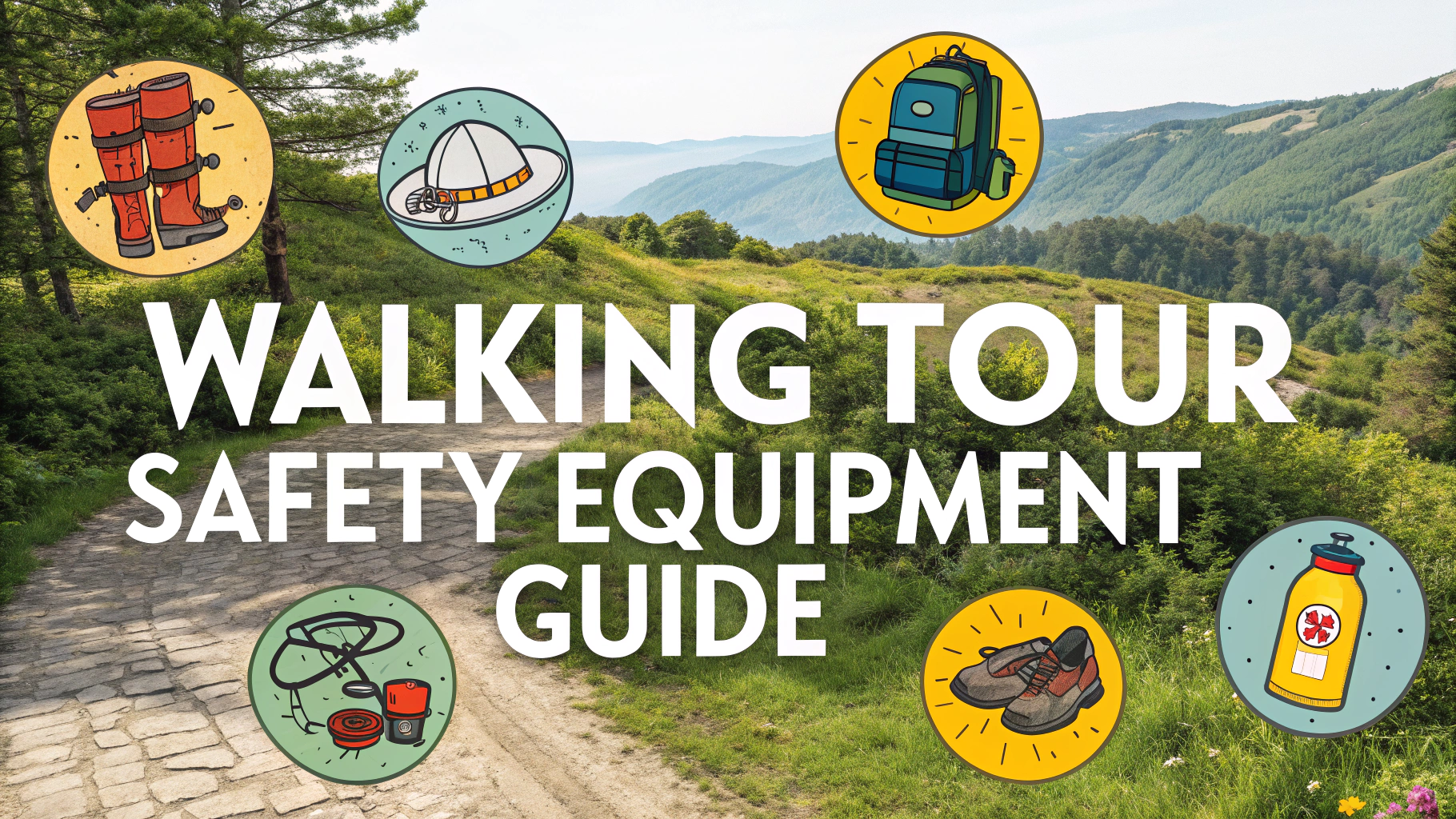
Equipment Checklist
- Weatherproof notebook
- Magnifying glass
- Weather-appropriate clothing
- GPS device or compass
- First-aid kit
Flora Documentation
Recording Methods
- Create detailed sketches
- Note bloom conditions
- Record location coordinates
- Document weather conditions
Conservation Practices
- Report invasive species sightings
- Support local conservation efforts
- Practice Leave No Trace principles
- Share knowledge responsibly
Conclusion
Regular flora walks offer both recreational and educational benefits while fostering environmental stewardship. By following proper guidelines and utilizing available resources, nature enthusiasts can develop a deeper understanding of local ecosystems and contribute to their preservation.
Remember to respect nature, share discoveries with the community, and continue learning about the diverse plant life in your region.
FAQs
- What is the best time of year to observe seasonal flora during nature walks?
Spring (March to May) and summer (June to August) typically offer the greatest diversity of flowering plants, though each season has unique botanical highlights. - How do I identify poisonous plants during my self-guided walk?
Learn to recognize common toxic plants like poison ivy (leaves of three, let it be), poison oak, and poison sumac. Avoid touching unknown plants and use a reliable plant identification app or field guide. - What essential items should I bring for plant identification during my walk?
Carry a field guide or plant ID app, magnifying glass, camera for documentation, notebook, and protective gear like gloves if planning to examine plants closely. - How can I determine which flowers are protected or endangered species?
Research local protected species lists before your walk, and consult regional conservation websites or park authorities. Protected species are often marked with specific signage in nature reserves. - What’s the best way to photograph flora for later identification?
Photograph the entire plant, including leaves, flowers, stem structure, and any distinctive features. Include something for scale reference and capture the plant from multiple angles. - How do seasonal weather patterns affect flora viewing opportunities?
Weather influences blooming periods, with early spring flowers appearing after winter thaw, summer drought affecting certain species, and fall bringing distinctive color changes before winter dormancy. - Is it legal to collect plant specimens during nature walks?
Most protected areas and national parks prohibit plant collection. Always check local regulations, as collecting without proper permits can result in significant fines. - What role do native vs. invasive species play in seasonal flora observation?
Native species follow natural seasonal patterns and support local ecosystems, while invasive species can disrupt natural cycles and often display different blooming periods. - How can I time my walks to see specific flowering events?
Research local bloom calendars, contact native plant societies, and follow park service updates. Many regions maintain phenology calendars tracking flowering times. - What impact does elevation have on seasonal flora patterns?
Higher elevations typically have later bloom times, with spring flowers appearing up to several weeks after lower elevations, creating extended viewing opportunities for different species.