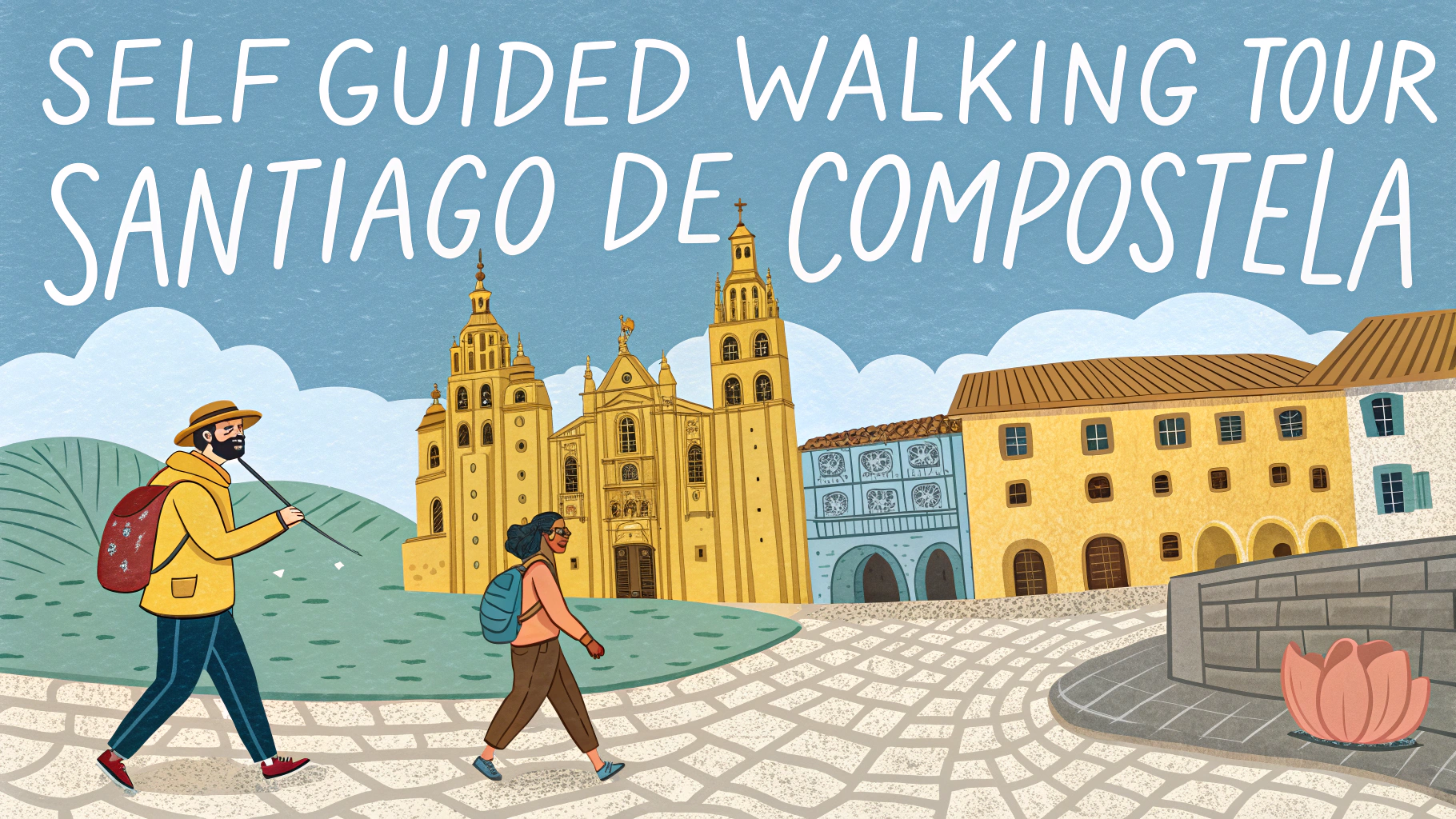
Identifying architectural styles and planning self-guided walking tours helps travelers and architecture enthusiasts explore cities more meaningfully.
Common Architectural Styles to Look For
- Gothic (12th-16th centuries): Pointed arches, ribbed vaults, flying buttresses
- Renaissance (14th-17th centuries): Symmetry, columns, round arches
- Baroque (17th-18th centuries): Ornate details, curved lines, dramatic features
- Victorian (1837-1901): Decorative trim, steep roofs, bright colors
- Art Deco (1920s-1930s): Geometric patterns, stepped facades, bold colors
- Modern (20th century): Clean lines, minimal decoration, functional design
Planning Your Walking Tour
Download offline maps using apps like Google Maps or Maps.me before starting your tour.
Research notable buildings and landmarks along your route using resources like Architecture.org or local preservation society websites.
Plan routes that are 1-2 miles long, which typically takes 2-3 hours with stops for photos and observation.
Essential Items for Your Walk
- Comfortable walking shoes
- Water bottle
- Camera or smartphone
- Small notebook for sketching details
- Weather-appropriate clothing
- Printed or digital map
Photography Tips
- Shoot early morning or late afternoon for best lighting
- Include people or objects for scale
- Capture both overall views and architectural details
- Look for interesting angles and perspectives
Safety and Etiquette
Always check local regulations about photographing private buildings.
Respect private property and maintain appropriate distance from building entrances.
Watch for traffic and use crosswalks when photographing buildings across streets.
Additional Resources
- National Trust for Historic Preservation
- Architecture Foundation
- Local historical societies and preservation groups
- Municipal planning offices for historic district maps
Recommended Apps
- Architectural Styles Guide
- Historic Walking Tours
- Building Story
- Architecture Guide
Consider joining guided tours first to learn from local experts before creating your own routes.
Document your observations and share your discoveries with other architecture enthusiasts through social media or local history groups.
Best Times for Architecture Tours
Weekends and early mornings typically offer quieter streets and better photography conditions. Avoid rush hours and peak tourist times for more relaxed exploration.
Seasonal Considerations
- Spring/Fall: Ideal temperatures and good lighting
- Summer: Early morning or evening to avoid heat
- Winter: Shorter tours, focus on interiors when possible
- Holiday seasons: Special architectural lighting and decorations
Documenting Your Discoveries
Create a digital or physical journal to record architectural details, historical facts, and personal observations about buildings visited.
What to Record
- Construction dates and architects
- Unique architectural features
- Historical significance
- Current use and condition
- Personal impressions and sketches
Building Your Knowledge
Expand your architectural vocabulary and understanding through online courses, architecture books, and local preservation society lectures.
Conclusion
Self-guided architectural tours offer a rewarding way to explore cities while developing a deeper appreciation for built heritage. Regular practice in identifying styles and features enhances observation skills and architectural knowledge. Remember to stay flexible with routes and timing, and always prioritize safety and respect for private property.
Document and share your experiences to contribute to the broader community of architecture enthusiasts and help preserve knowledge of local architectural heritage for future generations.
FAQs
- What are the key features to identify Gothic architectural style?
Pointed arches, ribbed vaults, flying buttresses, large stained glass windows, and tall spires are the defining characteristics of Gothic architecture. - How can I distinguish between Greek and Roman architectural styles?
Greek architecture typically features fluted columns with specific orders (Doric, Ionic, Corinthian), while Roman architecture adds the Tuscan and Composite orders, arches, and domes. - What is the best time of day for architectural photography during walking tours?
Early morning or late afternoon during “golden hour” provides optimal lighting conditions, with fewer crowds and softer shadows for architectural photography. - How can I identify Art Deco buildings?
Look for geometric shapes, zigzag patterns, stepped facades, streamlined forms, and decorative elements featuring sunbursts, chevrons, and stylized natural motifs. - What’s the typical duration for a self-guided architectural walking tour?
Most urban architectural walking tours take 2-3 hours to complete, covering 1-2 miles of distance at a comfortable pace with stops for observation. - How do I recognize Bauhaus architectural style?
Bauhaus buildings feature minimalist designs, flat roofs, cubic shapes, functional aesthetics, and extensive use of glass, steel, and concrete with minimal ornamentation. - What should I bring on an architectural walking tour?
Essential items include comfortable walking shoes, a camera, water bottle, architectural guide or map, weather-appropriate clothing, and a notebook for sketches or notes. - How can I tell if a building is Victorian-era architecture?
Victorian architecture features steep pitched roofs, ornate gables, decorative woodwork, wraparound porches, towers or turrets, and bright paint colors in multiple hues. - What are the key features of Modernist architecture?
Modernist buildings emphasize function over form, featuring clean lines, large windows, open floor plans, minimal ornamentation, and use of industrial materials like concrete, steel, and glass. - How do I identify Renaissance architecture?
Renaissance architecture displays symmetry, proportion, columns, rounded arches, domed roofs, and classical details inspired by ancient Roman architecture.