Self-guided fashion history walking tours let you explore local style heritage at your own pace while discovering the stories behind iconic boutiques, design houses, and fashion landmarks.
Planning Your Fashion History Route
Start by researching your city’s fashion districts and historical shopping areas using local archives, museum resources, and vintage photographs.
- Map out key locations like former department stores, millinery shops, and textile merchants
- Note architectural details that reflect different fashion eras
- Research dates and historical context for each stop
- Plan routes that take 1-2 hours to complete comfortably
Essential Stops to Include
Focus on locations that showcase your area’s unique fashion evolution:
- Historic department store buildings
- Original boutique locations of local designers
- Fashion photography studios
- Garment district landmarks
- Sites of notable fashion shows or events
- Historic textile mills or manufacturing sites
Creating Your Route Guide
Document these details for each stop:
| Information | Details to Include |
|---|---|
| Location | Exact address and GPS coordinates |
| Historical significance | Key dates and events |
| Architecture | Style elements and original features |
| Current status | Present use and accessibility |
| Photos | Historical and contemporary images |
Technology Integration
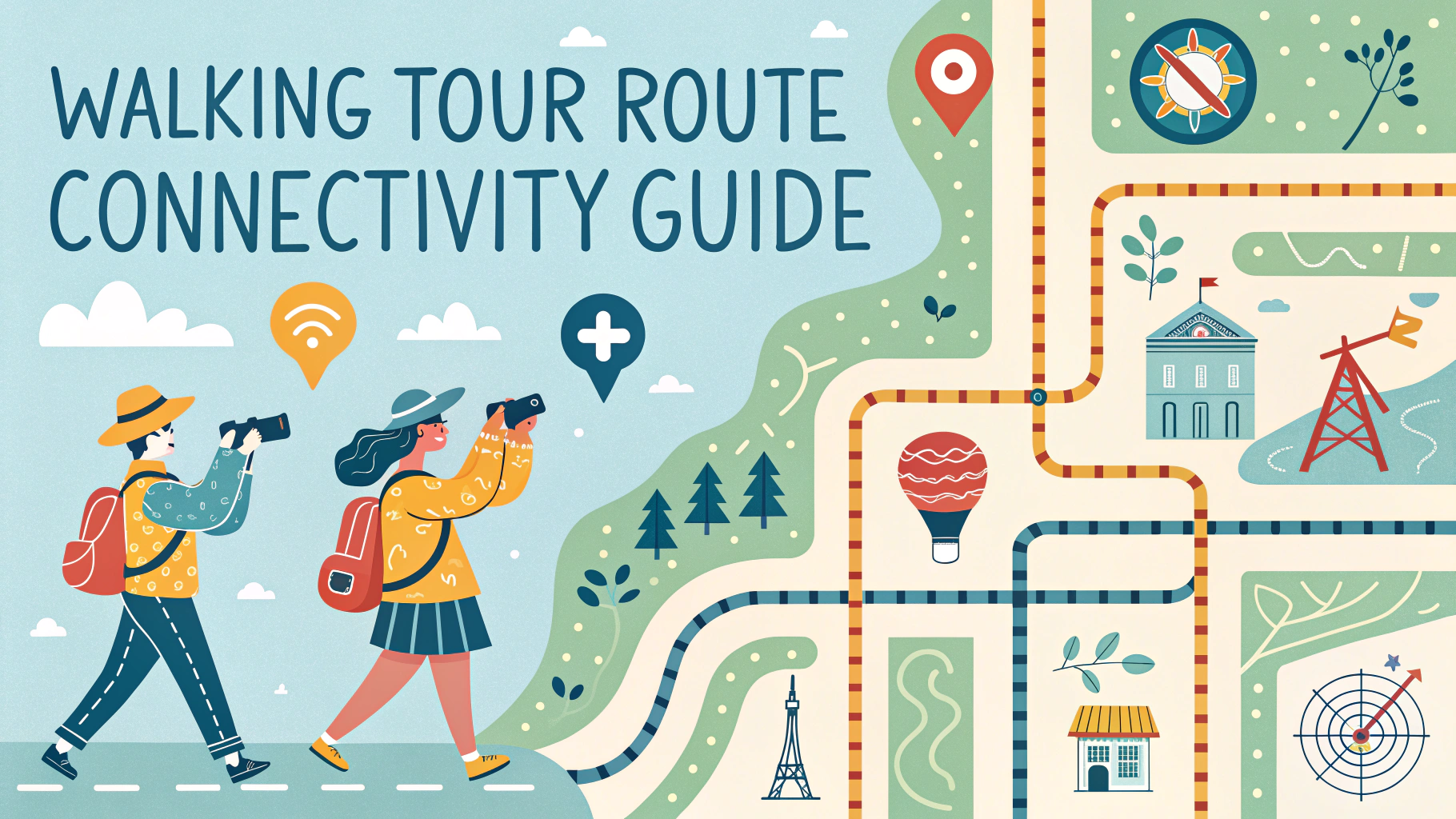
Use these digital tools to enhance your tour:
- Google Maps – Create custom routes with pinned locations
- QR codes – Link to historical photos and additional information
- Audio guides – Record descriptions for hands-free navigation
- AR apps – Show historical overlays at each location
Safety and Practical Tips
Consider these factors when planning your route:
- Check opening hours of any buildings you plan to enter
- Plan rest stops and refreshment points
- Note public transport options and parking locations
- Research busy times to avoid crowds
- Pack comfortable walking shoes and weather-appropriate clothing
Sharing and Preserving
Document your research for others:
- Share routes on walking tour apps and websites
- Connect with local historical societies
- Create social media content highlighting discoveries
- Submit findings to fashion archives and museums
Contact your local historical society or fashion museum for additional resources and route suggestions in your area.
Route Customization Options
Adapt your fashion history tour based on specific interests and time constraints:
- Decade-specific routes focusing on particular eras
- Designer-focused walks highlighting local fashion icons
- Textile and manufacturing heritage trails
- Luxury fashion district explorations
- Vintage photography location tours
Educational Opportunities
For Students
Incorporate learning elements into your fashion history walk:
- Fashion design inspiration sketching stops
- Architectural detail documentation
- Historical research assignments
- Period-specific fashion identification exercises
Photography Guidelines
Document your fashion history tour effectively:
- Capture architectural details showing period styles
- Compare historical photos with current views
- Record preservation status of landmarks
- Document seasonal changes affecting the route
Seasonal Considerations
| Season | Tour Adaptations |
|---|---|
| Spring/Summer | Early morning starts, outdoor focal points |
| Fall/Winter | Indoor alternatives, shorter routes |
| Holiday Seasons | Special window display features |
| Fashion Weeks | Contemporary event integration |
Conclusion
Self-guided fashion history tours offer unique insights into local style heritage while preserving important cultural narratives. Regular updates and community involvement ensure these routes remain relevant and educational for future generations of fashion enthusiasts.
- Document changes in the fashion landscape
- Contribute to local historical records
- Support preservation efforts
- Inspire future fashion innovation
FAQs
- What is a fashion history walking route and how does it work?
A fashion history walking route is a self-guided tour that takes you through historical locations significant to local fashion heritage, including former textile mills, historic boutiques, traditional tailoring houses, and fashion-related architectural landmarks. - How long does a typical fashion history walking tour take to complete?
Most fashion history walking routes take between 2-3 hours to complete at a leisurely pace, though this can vary depending on how much time you spend at each location and whether you visit any museums or shops along the way. - What should I bring on a fashion history walking tour?
Comfortable walking shoes, a map or mobile device with the route downloaded, a camera, water, weather-appropriate clothing, and some local currency for museum entries or shopping at historical fashion establishments. - Are fashion history walking routes accessible year-round?
Most routes are accessible year-round, though some historical buildings or museums along the route may have seasonal opening hours. It’s best to check specific location schedules before starting your tour. - How can I find fashion history walking routes in my area?
Local tourism offices, historical societies, fashion museums, and cultural heritage websites often provide maps and guides for fashion history walking routes. Many cities also have dedicated apps or downloadable guides. - Do I need to book in advance for a self-guided fashion history tour?
No booking is required for self-guided tours, but if you plan to visit museums or historical buildings along the route, check if they require advance tickets or have specific visiting hours. - What types of historical fashion sites might I see on these routes?
You may encounter former textile factories, historic department stores, traditional millinery shops, fashion designers’ former residences, costume museums, historic tailoring districts, and architectural examples of fashion-related buildings. - Are there usually informational plaques or markers along fashion history routes?
Many established fashion history routes feature historical markers, plaques, or QR codes that provide information about significant sites. Some cities also maintain heritage signage specifically for fashion-related locations. - Can I combine fashion history routes with shopping at historic fashion locations?
Many routes include still-operating historic fashion businesses, allowing you to combine historical learning with shopping at traditional tailors, haberdasheries, or vintage clothing stores that have been in business for generations. - How can I learn more about the specific fashion history of locations on the route?
Local libraries, fashion museums, historical societies, and city archives often maintain detailed records about fashion history locations. Many also offer specialized guides, books, and documentation about the fashion heritage of specific sites.