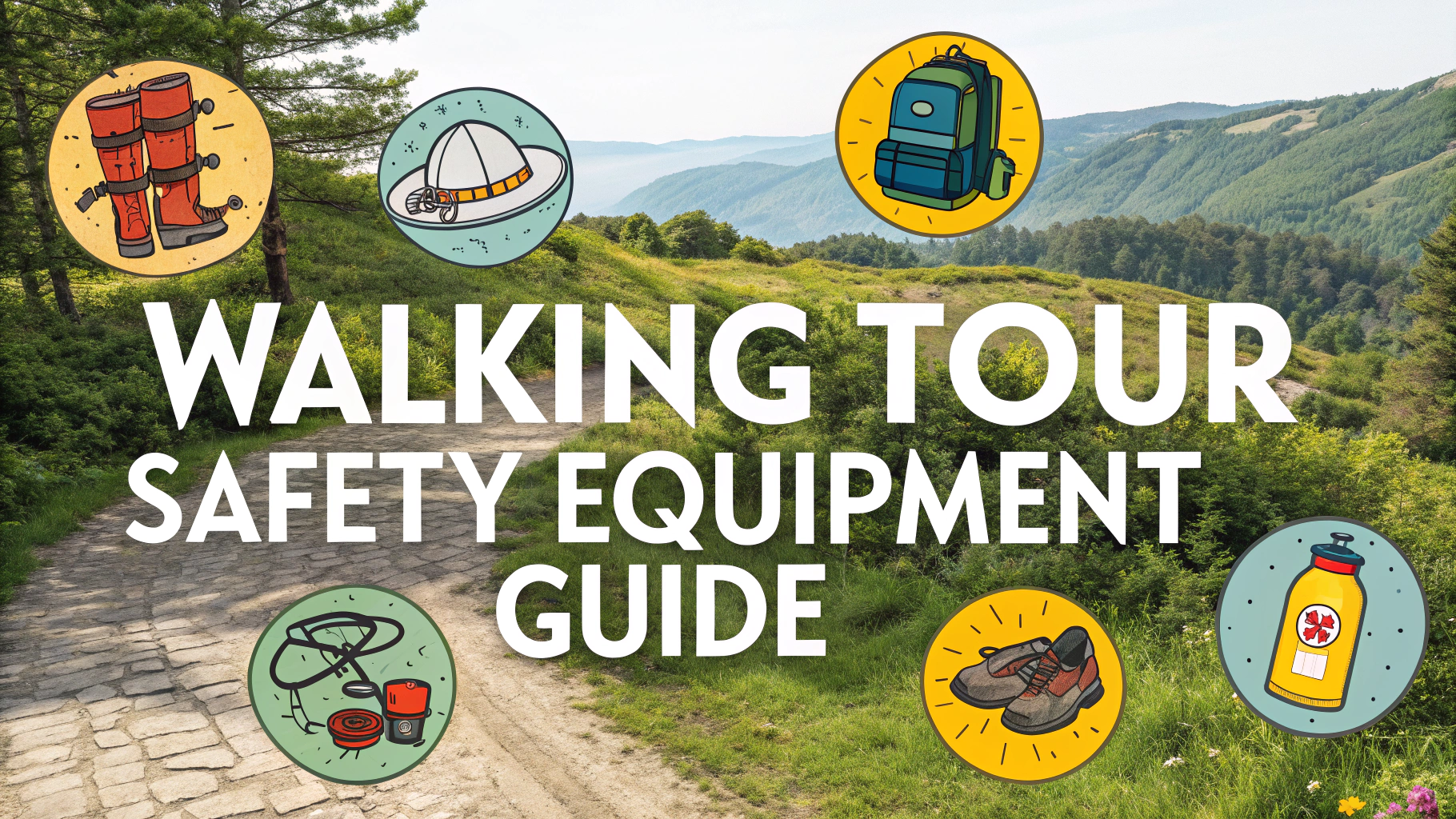
Public space walking tours let you explore cities and neighborhoods at your own pace while learning about architecture, history, culture, and urban design.
A self-guided walking tour gives you complete flexibility to start, stop, and modify the route based on your interests and schedule.
Planning Your Self-Guided Walking Tour
- Research the area’s history and significant landmarks beforehand
- Download offline maps and save points of interest
- Check weather forecasts and plan accordingly
- Wear comfortable walking shoes and weather-appropriate clothing
- Bring water, snacks, and a portable phone charger
Recommended Apps for Self-Guided Tours
- Google Maps – Create custom maps with saved locations
- GPSmyCity – Offers downloadable walking tours for 1,000+ cities
- Rick Steves Audio Europe – Free audio guides for major European cities
- PocketGuide – Audio tours with offline maps
Essential Elements to Include in Your Route
- Public squares and plazas
- Historic buildings and architecture
- Public art installations
- Parks and green spaces
- Local markets and shopping districts
- Cultural institutions
Safety Tips
Share your planned route with someone, even when walking solo.
Stay aware of your surroundings and avoid walking while looking at your phone.
Keep valuable items secure and maintain awareness of local customs and regulations.
Making the Most of Your Tour
- Take photos to document interesting discoveries
- Stop at local cafes or restaurants along the way
- Talk to locals for insider tips and recommendations
- Join free walking tours when available to learn from local guides
Best Times for Walking Tours
| Season | Advantages |
|---|---|
| Early Morning | Less crowded, cooler temperatures |
| Mid-Day | Better lighting for photos, open businesses |
| Evening | Beautiful lighting, different atmosphere |
Track your walking statistics using apps like Strava or MapMyWalk to measure distance and create shareable routes.
Resources for Free Walking Tour Maps
- Frommer’s – Free walking tour guides
- Walkli – User-created walking routes
- Local tourism websites often offer downloadable PDF maps
- Public libraries typically have local history walking guides
Understanding Urban Landscapes
Walking tours provide unique insights into how cities develop and transform over time. Pay attention to architectural styles, street layouts, and the mix of old and new elements in the urban fabric.
Customizing Your Experience
- Focus on specific themes like architecture, history, or food
- Create themed routes based on literary works or movies
- Combine multiple short walks into longer adventures
- Add geocaching elements for extra entertainment
Photography Tips During Walks
- Capture architectural details and street scenes
- Document interesting signage and public art
- Take photos during golden hour for best lighting
- Respect local photography restrictions and privacy
Accessibility Considerations
Research route accessibility including stairs, slopes, and rest areas. Note locations of public restrooms and transportation options along the way.
Route Planning Tools
- Wheelchair-friendly route maps
- Public transit integration points
- Alternative route options
Conclusion
Self-guided walking tours offer a cost-effective and flexible way to explore cities while creating personalized experiences. Careful planning, the right tools, and an open mind will help you discover hidden gems and better understand urban environments.
Remember to document your experiences and share discoveries with fellow travelers through social media or walking tour platforms, contributing to the community of urban explorers.
FAQs
- What are the essential items I should bring on a self-guided walking tour of public spaces?
Comfortable walking shoes, a water bottle, weather-appropriate clothing, a charged mobile phone, a printed or digital map, sunscreen, and a small first aid kit. Consider bringing snacks and a camera to document points of interest. - How long does a typical self-guided public space walking tour take?
Most urban walking tours typically take 1-3 hours, covering 2-5 miles, depending on the route, number of stops, and your walking pace. However, you can adjust the timing based on your preferences since it’s self-guided. - Are self-guided walking tours available for all cities?
Most major cities have established self-guided walking tours available through tourism offices, websites, or mobile apps. Smaller cities may have fewer official routes, but you can create your own using maps and local points of interest. - How can I find reliable self-guided walking tour routes?
Check official city tourism websites, download walking tour apps like GPSmyCity or AllTrails, visit local tourist information centers, or use city-specific walking tour guidebooks. Many cities also offer downloadable PDF maps with suggested routes. - What safety precautions should I take during a self-guided walking tour?
Stay aware of your surroundings, walk in well-lit and populated areas, keep valuables secure, inform someone of your route, carry emergency contact information, and avoid isolated areas, particularly after dark. - Can I modify existing walking tour routes to suit my interests?
Yes, self-guided tours can be customized to your preferences. You can add or skip stops, take detours to explore interesting areas, or combine multiple routes to create your own unique experience. - What’s the best time of day to do a public space walking tour?
Mid-morning to early afternoon is often ideal, when public spaces are well-populated and businesses are open. Consider weather conditions and seasonal factors that might affect your comfort and safety. - How accessible are public space walking tours for people with mobility issues?
Accessibility varies by location. Look for tours labeled as accessible or check route information for details about terrain, stairs, and rest stops. Many cities offer specific accessible routes avoiding steep inclines and stairs. - Should I download offline maps before starting a self-guided tour?
Yes, downloading offline maps is highly recommended in case of poor mobile signal or data issues. This ensures you can navigate effectively throughout your tour without relying on cellular service. - What should I do if I encounter closed or restricted access to public spaces during my tour?
Have alternative routes planned, check opening hours and access restrictions in advance, and be prepared to modify your route. Many cities have temporary closures for events or maintenance that might affect your planned route.